
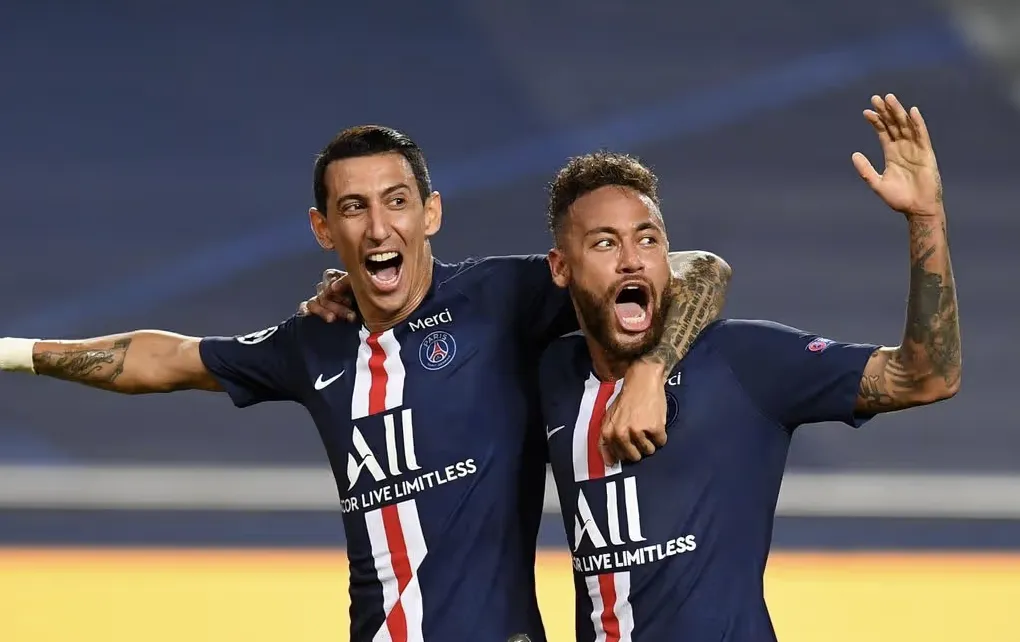
Football has always been a stage for remarkable stories of resilience, and few narratives capture the imagination quite like a player returning to their former club to achieve greatness. The beautiful game has witnessed countless legends who left under difficult circumstances, only to come back stronger and more determined than ever. In recent times, Ángel Di María has written one of the most compelling chapters in this genre of football storytelling, offering hope and inspiration to stars like Neymar who may be contemplating their own paths back to glory.
The journey of Ángel Di María at Benfica has become a masterclass in proving that second chances can lead to extraordinary achievements. After leaving the Portuguese club in 2010 for Real Madrid, many believed the Argentine winger had closed that chapter forever. However, fate had different plans when he returned to Benfica in 2023, and what he has accomplished since has left the football world in awe, serving as a powerful reminder that the bonds between a player and a club can transcend time, distance, and even bitter farewells.
The Power of Second Chances in Football
Football history is filled with examples of players who returned to their former clubs and found unprecedented success. What makes these stories so captivating is the emotional weight they carry, the unfinished business that gets resolved, and the sense of destiny that seems to guide these players back to where their journeys began. Di María’s return to Benfica is not just a personal triumph but a blueprint for what is possible when talent, timing, and emotional connection align perfectly.
Di María’s Emotional Homecoming
When Ángel Di María stepped back onto the turf of the Estádio da Luz, the atmosphere was electric with anticipation and emotion. The Argentine had left Benfica as a young, promising talent, but he returned as a world champion, a Copa América winner, and a player who had conquered Europe with Real Madrid. The expectations were sky-high, yet Di María has managed to exceed them in ways that even the most optimistic fans could not have imagined.
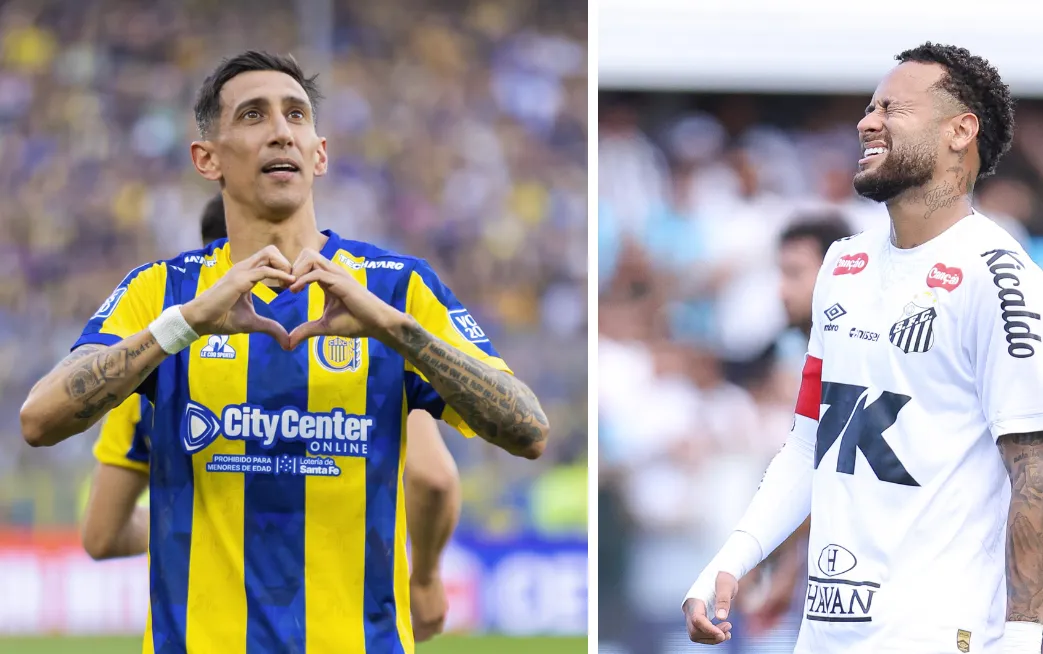
The winger’s performances have been nothing short of spectacular, with his technical brilliance, tactical intelligence, and leadership qualities shining through in every match. His ability to create chances out of nothing, his precise crossing, and his knack for scoring crucial goals have reminded everyone why he is considered one of the greatest players of his generation. This renaissance at Benfica has football experts drawing parallels with other legendary comebacks in the sport’s history.
Lessons for Neymar’s Potential Return
The comparison between Di María and Neymar is particularly intriguing given their shared history with Brazilian football, their time together at Paris Saint-Germain, and their similar journeys toward seeking fulfillment later in their careers. Neymar, currently navigating his own path in Saudi Arabia with Al-Hilal, has been the subject of intense speculation regarding a potential return to Santos, the club where he first captured the world’s attention.
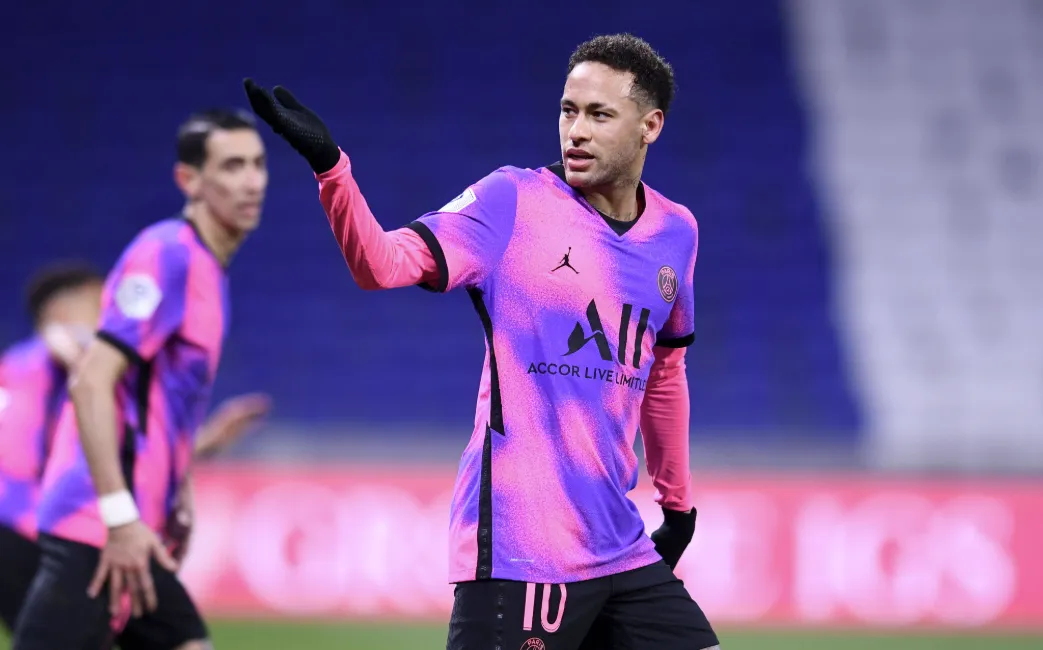
Jeetwin analysts have noted that Di María’s successful return demonstrates several key factors that Neymar could leverage for his own triumphant comeback. First and foremost is the importance of timing, Di María returned to Benfica at exactly the right moment, when the club needed his experience and he needed the emotional connection that only a childhood club can provide. Secondly, the Argentine embraced a different role, no longer the primary star but rather a mentor and leader who elevates those around him.
The Tactical Evolution Under Di María’s Influence
One of the most fascinating aspects of Di María’s return to Benfica has been his tactical adaptation to modern football. The game has evolved significantly since his first stint at the club, and the Argentine has shown remarkable flexibility in adjusting his playing style to benefit the team while still maintaining his individual brilliance.
Adapting to Modern Football Demands
The modern game demands more from wingers than ever before, with responsibilities extending beyond attacking to defensive contributions, pressing, and tactical discipline. Di María has embraced these demands with the wisdom that comes from years of experience at the highest level. His positioning has become more intelligent, his decision-making quicker, and his understanding of game management has reached new heights.
What makes Di María’s adaptation so impressive is that he has not sacrificed his natural creativity for tactical discipline. Instead, he has found a perfect balance that allows him to influence games while serving the team’s overall structure. This evolution offers valuable lessons for Neymar, who has often been criticized for prioritizing individual brilliance over team cohesion.
The Mentorship Role
Beyond his on-field contributions, Di María has taken on a mentorship role that has transformed Benfica’s younger players. His presence in the dressing room has instilled a winning mentality and a professional standard that elevates everyone around him. This aspect of his return is particularly relevant for Neymar, who could play a similar role in nurturing the next generation of Brazilian talent should he return to Santos.
The Argentine’s willingness to share his knowledge and experience has created a positive feedback loop where the team’s success amplifies his individual achievements. Football experts have observed that this selfless approach has actually enhanced Di María’s legacy rather than diminished it, proving that greatness is not just about personal statistics but about the impact one has on others.
Comparing Paths: Di María and Neymar’s Journeys
The parallels between Di María and Neymar’s career trajectories are striking, both players emerged as prodigious talents in South America, moved to Europe at relatively young ages, achieved immense success at the highest level, and now find themselves contemplating their legacies as they enter the later stages of their careers.
Shared Experiences and Divergent Choices
Both players have experienced the highs of Champions League glory and the lows of injury setbacks. They have both been central figures in their national teams, with Di María famously scoring the winning goal in the 2021 Copa América final and the 2022 World Cup final, while Neymar continues to chase that elusive World Cup triumph with Brazil.
Where their paths have diverged is in the nature of their departures from their childhood clubs. Di María left Benfica on good terms, having established himself as a fan favorite before moving to Real Madrid for a then-record fee for the Portuguese league. Neymar’s departure from Santos was more complicated, with legal battles and emotional farewells that left some wounds that may take time to heal.
The Santos Connection
Jeetwin sports analysts have extensively covered the ongoing speculation about Neymar’s potential return to Santos, drawing direct comparisons to Di María’s successful homecoming. The Brazilian club has struggled to recapture its former glory since Neymar’s departure, and his return could provide the catalyst for a revival similar to what Di María has achieved at Benfica.
The emotional pull of returning to where it all began is powerful, and for Neymar, Santos represents more than just a club, it is the foundation of his identity as a player. Di María has shown that this connection can be reactivated and channeled into performances that benefit both the player and the club. The key difference, however, lies in the preparation and mindset required for such a transition.
The Mental and Emotional Aspects of a Triumphant Return
Perhaps the most overlooked aspect of Di María’s successful return is the mental and emotional preparation required. Returning to a former club is not simply a matter of signing a contract and stepping onto the pitch, it involves confronting past memories, managing expectations, and rebuilding relationships that may have been strained by the initial departure.
Overcoming Past Challenges
Di María‘s journey was not without its challenges. His departure from Benfica in 2010 had created high expectations, and he had left some fans wondering what might have been had he stayed longer. Returning meant facing those who had celebrated his early success and those who had felt abandoned by his departure. The Argentine handled this with grace, acknowledging the complicated emotions involved and focusing on what he could contribute to the present and future.
This psychological aspect is crucial for Neymar to consider. His relationship with Santos fans is complex, characterized by deep love for the player he was and some disappointment about how his departure unfolded. A triumphant return would require addressing these emotions directly and demonstrating a commitment to the club that goes beyond mere sentiment.
Embracing a New Identity
One of the most beautiful aspects of Di María’s return is that he did not try to recreate the player he was during his first stint at Benfica. Instead, he embraced his evolution as a player and a person, bringing all the wisdom and experience he had accumulated over 13 years to benefit the club. This acceptance of a new identity, rather than trying to recapture the past, has been key to his success.
For Neymar, this means understanding that a return to Santos would not be about recreating the magic of his teenage years but about bringing the knowledge and maturity of a world-class player who has experienced the highest levels of the sport. The fans would not be getting the Neymar of 2010, they would be getting an evolved, more complete player who can offer something different and potentially more valuable.
The Impact on Club Legacy and Future Generations
Di María‘s return to Benfica has had ripple effects that extend far beyond his individual performances. The club has experienced a resurgence in terms of both results and reputation, with the Argentine’s presence attracting attention and respect from across the football world.
Commercial and Reputational Benefits
The financial and commercial impact of a star player returning to their childhood club cannot be underestimated. Di María’s presence has boosted ticket sales, merchandise revenue, and global interest in Benfica. The club’s profile has been elevated, and its brand has been associated with the prestige of having developed and then welcomed back a world-class talent.
Similarly, Neymar’s return to Santos would generate enormous commercial opportunities for the Brazilian club. The global attention, sponsorship interest, and fan engagement that such a return would create could provide the financial resources needed for Santos to compete at the highest level once again. Jeetwin sports business analysts have projected that a Neymar return could generate significant revenue streams for the club, potentially transforming its financial outlook.
Inspiring the Next Generation
Perhaps the most lasting impact of Di María‘s return is the inspiration it provides to young players at Benfica. Seeing a player who came through the club’s youth system and went on to achieve global success, only to return and contribute meaningfully, sends a powerful message about the value of loyalty and the possibility of returning home.
This inspiration is particularly relevant for Brazilian football, where the lure of European riches often means young talents leave their childhood clubs early and rarely return. Neymar’s potential return to Santos could challenge this narrative and encourage future generations to consider that their journey might include a homecoming chapter that enhances their legacy.
What This Means for Football’s Future
The narrative of Di María’s triumphant return is more than just a feel-good story, it represents a shift in how players and clubs view their relationships. In an era where player movements are often driven by financial considerations and short-term goals, these homecoming stories remind us of the emotional bonds that make football truly special.
Changing Perceptions of Player Loyalty
For years, modern football has been criticized for the lack of loyalty shown by players and clubs alike. Transfers have become transactional, and the romantic notion of one-club players has become increasingly rare. However, stories like Di María‘s challenge this narrative and suggest that loyalty can take different forms, including returning to contribute when it matters most.
This evolving understanding of loyalty could have profound implications for how players plan their careers and how clubs approach recruitment. Rather than viewing a player’s departure as a permanent break, both parties might see it as a temporary separation that could lead to a meaningful reunion later. This perspective could change how contracts are structured and how relationships are maintained over time.
The Role of Emotional Intelligence in Football
Di María’s success has highlighted the importance of emotional intelligence in football, both for players and clubs. Understanding the emotional needs of players, the psychological impact of returns, and the collective sentiment of fans requires a level of sophistication that goes beyond traditional football management.
For Neymar, this means surrounding himself with advisors who understand the complexities of a return to Santos and can help navigate the emotional landscape. For Santos, it means creating an environment that welcomes Neymar back with the right balance of celebration and expectation, allowing him to thrive without being overwhelmed by the weight of nostalgia.
Conclusion: Ángel Di María Shows Neymar That a Triumphant Return Is Possible
The story of Ángel Di María’s return to Benfica is a testament to the enduring power of football to create redemptive narratives that capture our imagination. It proves that the bonds formed in youth can sustain themselves across decades and continents, waiting to be rekindled when the time is right. For Neymar, watching from afar, this must be an inspiring sight, a roadmap showing that a triumphant return is not just possible but can be beautiful in its execution.
As we look to the future of football, these homecoming stories will likely become more common as players seek meaning beyond financial rewards and look to complete their careers with emotional fulfillment. Di María has shown that age is not a barrier to making a significant impact and that returning to where it all began can be the most rewarding chapter of a career.
The question now is whether Neymar will follow this path, writing his own chapter of redemption and glory at Santos. If Di María’s example is anything to go by, the answer is that it is not just possible but potentially the greatest story yet to be written in Brazilian football. Share your thoughts on this comparison in the comments below, and let us know if you believe Neymar should follow Di María’s path back to his roots.
