
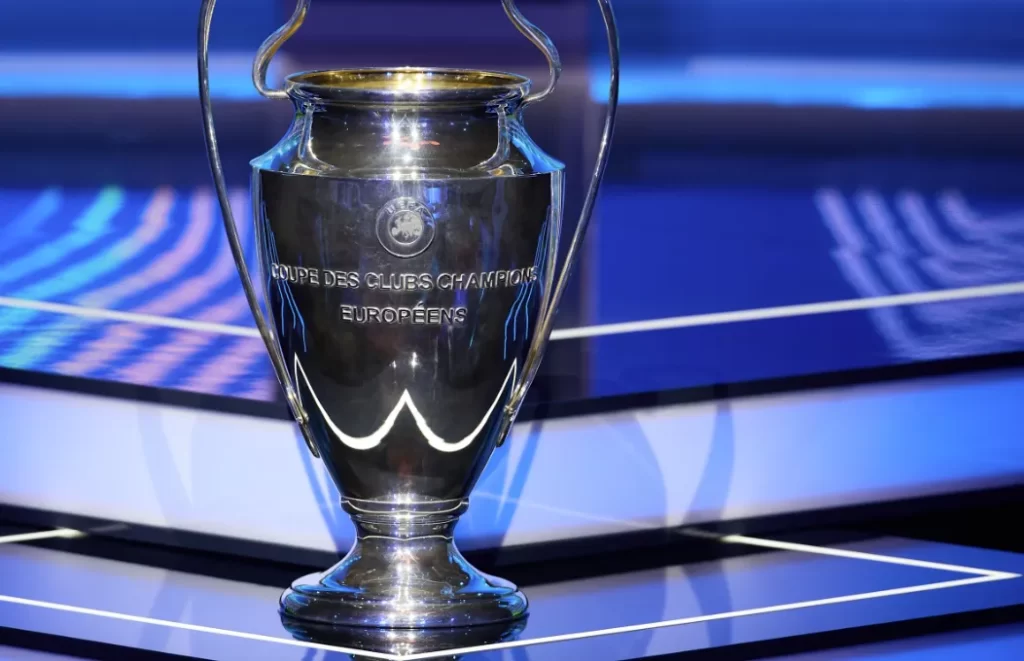
The UEFA Champions League has entered an exciting new chapter this season, and as we approach the knockout rounds, fans across the globe are buzzing with anticipation. The traditional group stage has been replaced by a single league phase, and now the road to the final in Munich takes on a fresh shape. Let me walk you through everything you need to know about the knockout stage format, how the draws work, and the crucial dates to mark on your calendar.
Understanding the New Champions League Knockout Format
This season marks a historic shift in Europe’s premier club competition. After the league phase concluded with each team playing eight matches against different opponents, the top eight sides automatically advanced to the Round of 16. Meanwhile, teams finishing between 9th and 24th place entered a new knockout round play-off stage to fight for the remaining spots.
The change eliminates the traditional group stage bracket predictability, creating more drama and unpredictability. Clubs that finished in positions 9th through 16th were seeded in the play-off draw, while those from 17th to 24th were unseeded, giving the higher-ranked teams a slight advantage with the second leg at home.
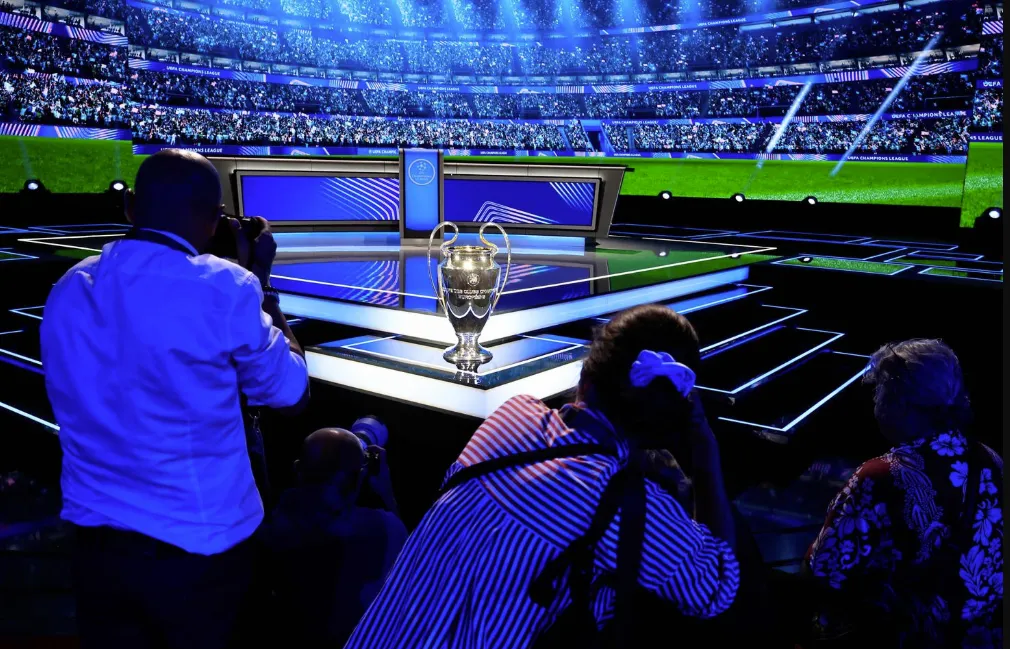
How the Knockout Phase Play-Offs Worked
The play-off round featured eight two-legged ties, with the winners progressing to join the top eight in the Round of 16. Crucially, the seeding from the league phase determines the entire path through the tournament. This means a team’s performance in the early part of the season can directly impact their route to the final.
This format rewards consistency and removes the luck of the draw that sometimes allowed weaker teams to advance from easier groups. As former Manchester United defender and football analyst Gary Neville noted on the Jeetwin podcast, “The new system ensures that every match in the league phase matters. You can’t afford to take games off because your final position is everything.”
Key Dates and Fixtures for the Knockout Rounds
The knockout phase schedule has been carefully structured to maintain the rhythm of the season while accommodating the expanded format. Here are the critical dates every football fan should know:
Round of 16
The Round of 16 matches are scheduled for early March, with the first legs taking place on March 4-5 and the return fixtures on March 11-12. The top eight teams from the league phase will be joined by the eight play-off winners, creating a genuine sense of occasion.
Quarter-Finals
The quarter-final draw will determine the potential semi-final matchups, adding another layer of intrigue. First legs are set for April 8-9, with the second legs following on April 15-16. This is where the tournament traditionally heats up, and with the new format, we could see some remarkable clashes.
Semi-Finals
The penultimate round features first legs on April 29-30 and second legs on May 6-7. The teams that have navigated this new system successfully will be just two matches away from glory.
The Final
The 2024/25 Champions League final will be held at the Allianz Arena in Munich on May 31, 2025. This iconic venue has hosted some of football’s greatest moments, and the new format promises to deliver a worthy champion.
The Draw Process: What Has Changed?
The draw for the knockout stages has undergone significant revisions to accommodate the new format. Unlike previous seasons where teams were placed in separate pots based on group performance, the league phase ranking now determines the brackets.
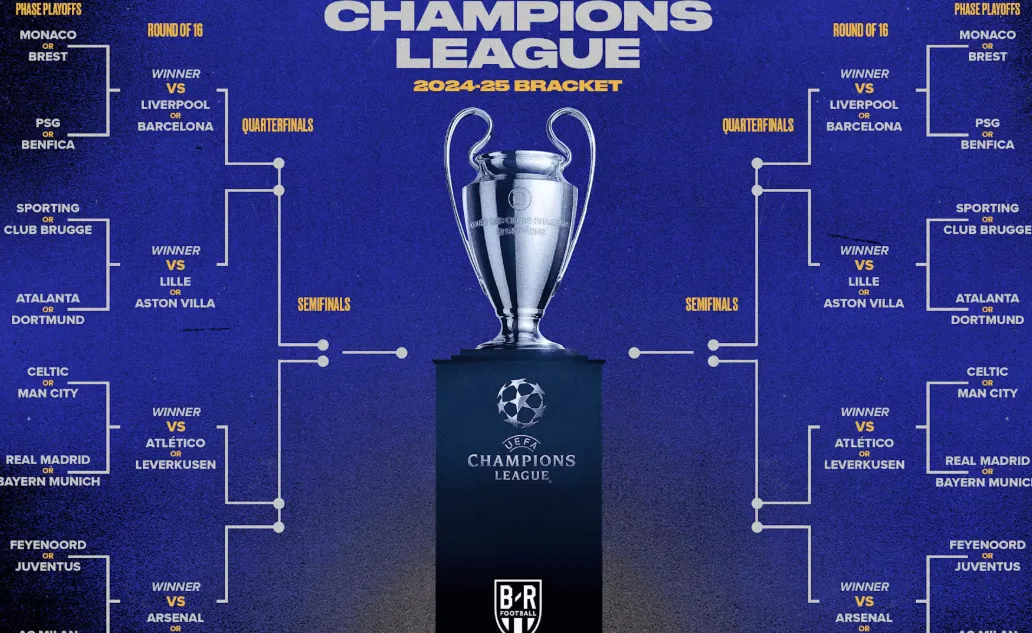
The Jeetwin analysis team has highlighted that this creates a more meritocratic system. Higher-ranked teams receive a theoretically easier path, but the depth of quality in modern football means no match is straightforward. The round of 16 draw ensures that teams finishing 1st and 2nd cannot meet until the final, preserving the incentive for top performance throughout the league phase.
Tactical Implications for Clubs and Managers
The new format has profound tactical implications. Managers can no longer rotate squads in early group matches without consequence. Every point in the league phase affects your knockout path. This has led to more aggressive team selections from matchday one, benefiting fans with higher-quality football throughout the competition.
Pep Guardiola’s Manchester City, for instance, had to maintain intensity across their eight league phase matches to secure a top-eight finish. The tactical adjustments required for back-to-back matches against different styles of opponent have become a genuine test of squad depth and managerial flexibility.
Impact on Player Workload and Squad Rotation
With the increased number of matches, squad rotation has become crucial. Clubs qualified for European competitions now face a more congested calendar. The additional two matches in the league phase, plus potential play-off fixtures, mean players are facing more high-stakes games than ever before.
Medical teams and sports scientists are working overtime to manage fatigue levels. As Dr. James Collins, a leading sports performance consultant, explained in a recent Jeetwin feature, “The physical demands on elite players have never been higher. Teams that manage their resources effectively throughout the entire season will have the advantage in the knockout stages.”
What This Means for the Future of European Football
The new Champions League format represents UEFA’s response to the changing landscape of European football. The Super League saga accelerated discussions about competition structure, and this format aims to deliver more meaningful matches throughout the season.
For broadcasters and sponsors, the extended format provides more content and marketing opportunities. For fans, it promises more top-tier matches between Europe’s elite. The financial implications are significant, with clubs potentially earning more from their European campaigns based on performance in the league phase.
Final Thoughts on the Knockout Stage Journey
The Champions League knockout rounds have always been special, but the new format adds fresh excitement to an already captivating competition. The path to Munich is different this year, but the objective remains the same: lift the most coveted trophy in club football.
As we prepare for the drama of the knockout stages, I’d love to hear your thoughts. Which teams do you think will benefit most from the new format? Do you prefer the traditional group stage or this expanded version? Drop your comments below, share this article with your fellow football enthusiasts, and stay tuned to Jeetwin for the latest Champions League coverage, expert analysis, and exclusive content throughout the knockout rounds.
The beautiful game continues to evolve, and we’re here to bring you every moment of the journey. Let the knockout football begin!
