
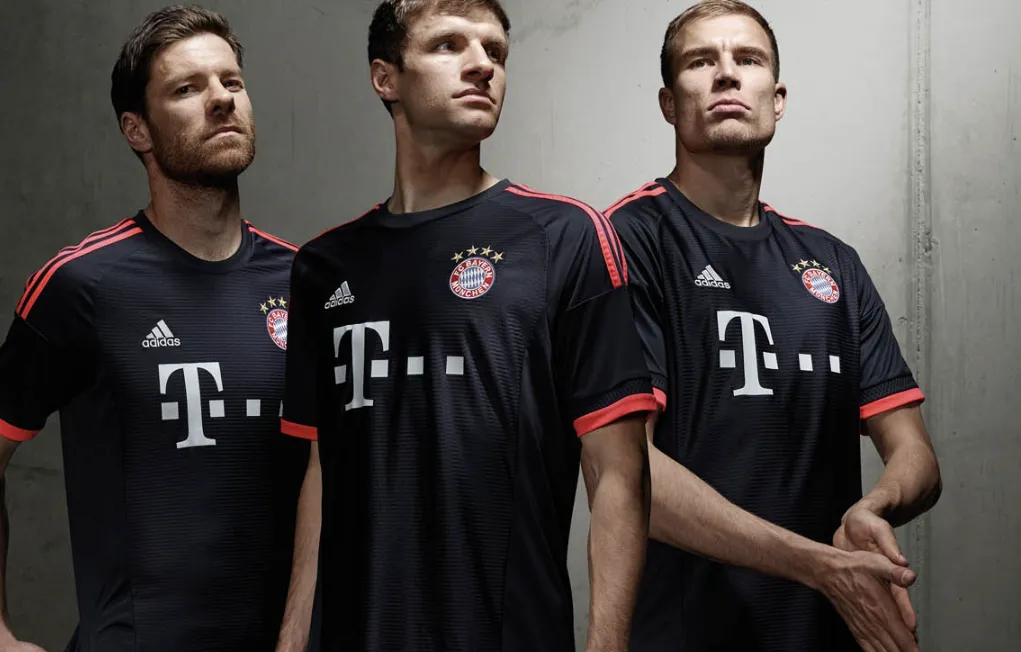
Football kit launches are always a moment of excitement for supporters, but Bayern Munich’s 2023-24 home strip carries a particularly special meaning. The German giants have unveiled a design that pays homage to their very first season in the Bundesliga back in 1965-66. This isn’t just another jersey; it’s a wearable piece of history that speaks volumes about the club’s identity, legacy, and connection with its fans. Let’s dive deep into what makes this kit so significant and how it reflects Bayern’s journey from promotion hopefuls to global powerhouses.
The Historical Context: The Birth of Bayern in the Bundesliga
To truly appreciate this kit, we need to travel back in time. The 1963-64 season marked the foundation of the Bundesliga as Germany’s top-flight league. However, Bayern Munich wasn’t among its inaugural members. It took two more years of dominant performances in the Regionalliga (the second tier at the time) for the club to earn promotion. The Jeetwin team that stepped onto the pitch for the 1965-66 season was a blend of raw talent and tactical discipline, led by legends like Franz Beckenbauer and Gerd Müller. That season wasn’t just about survival; it was about establishing a modern identity.
What the Kit Represents
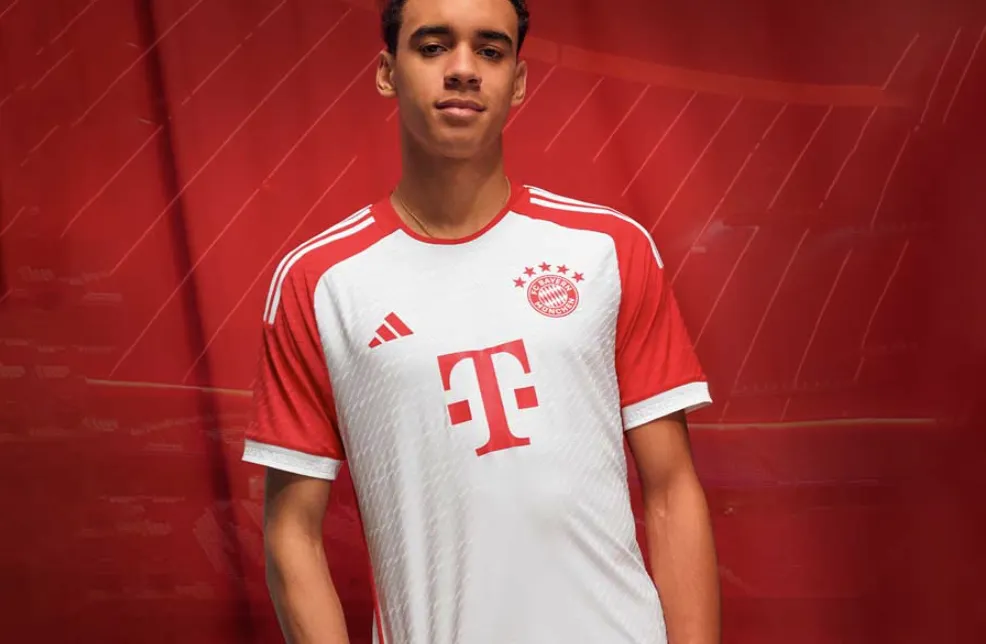
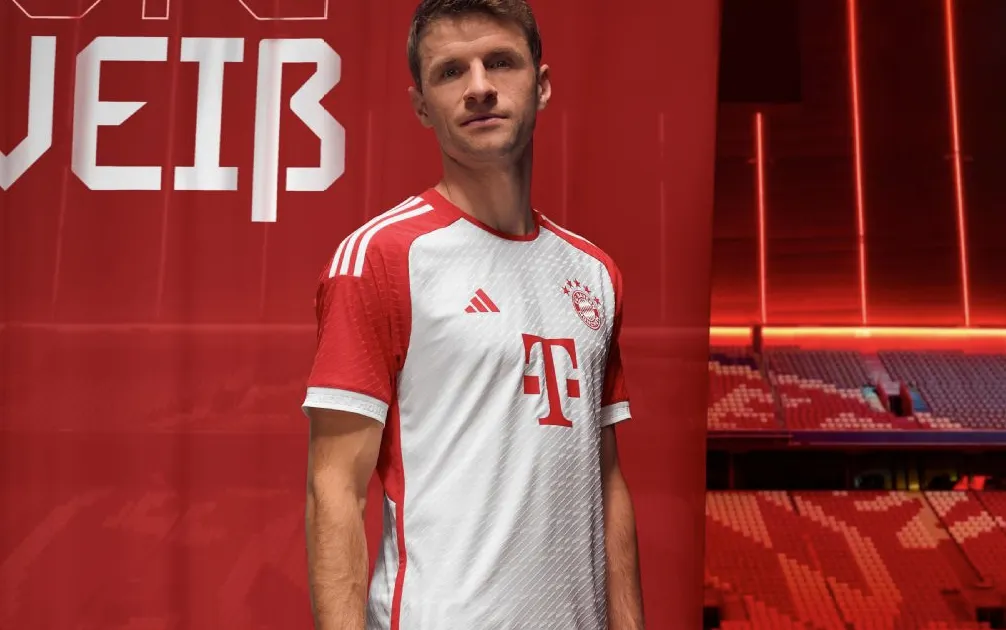
The new home kit is a direct nod to that historic campaign. It features a classic, understated design with the iconic red colouring, but the real star is the subtle detailing. The kit incorporates a woven pattern that mimics the texture of the jerseys worn in the mid-60s. The collar design is also a throwback, featuring a clean, retro cut that contrasts with the more modern, sleek silhouettes seen in recent seasons. This isn’t just nostalgia for nostalgia’s sake; it’s a deliberate attempt to connect the current generation of players and fans with the club’s foundational era.
Design Elements and Fan Reception
From a design perspective, Adidas has done a masterful job. The kit avoids being overly busy, focusing instead on clean lines and historical accuracy. The club crest is presented in its traditional form, without the modern overlays. The shorts and socks also follow the same vintage aesthetic, creating a cohesive look that feels both fresh and timeless. Early fan reactions on social media and in forums have been overwhelmingly positive, with many praising the club’s decision to honour its past while looking forward. As sports historian Mark Vogel noted, “Bayern Munich understands that their brand strength comes from a deep, authentic history. This kit isn’t just merchandise; it’s a storytelling tool.”
Why This Kit Matters for Brand Identity
In the competitive world of football merchandising, clubs are always looking for an edge. For Bayern Munich, releasing a retro-inspired kit serves multiple purposes. It taps into the emotional connection older fans have with the club’s golden era while also appealing to younger, fashion-conscious supporters who value vintage aesthetics. The Jeetwin brand strategy here is clear: by weaving historical narratives into their product lines, they create a sense of exclusivity and belonging. It’s a reminder that Bayern Munich isn’t just a club that wins trophies; it’s a club with a story worth telling.
The Impact on Player Performance and Spirit
Beyond the marketing, there’s the psychological impact on the squad. Wearing a kit that honours a pioneering group of players can instil a sense of pride and responsibility. It serves as a daily reminder of the standards set by icons like Beckenbauer and Müller. In a modern game where player loyalty is often questioned, such gestures help reinforce the values of the institution. The current squad, which includes stars like Jamal Musiala and Thomas Müller, will be wearing a piece of that legacy every time they step on the pitch.
A Look at the Numbers: Comparing the 1965-66 and 2023-24 Seasons
While it’s impossible to directly compare eras due to the evolution of the game, the symbolism is powerful. In their first Bundesliga season, Bayern finished third—a remarkable achievement for a newly promoted side. Last season, they secured yet another league title, continuing their dominance. This comparison highlights the club’s consistent excellence. The new kit is a bridge between those two extremes: the hungry underdog and the confident champion.
The Role of Kit Design in Football Culture
Kit design has become a central part of football culture. It’s no longer just about what the players wear; it’s about what the fans wear to the stadium, what they buy for their children, and what they collect as memorabilia. Bayern Munich’s decision to release a historically significant design at a time when the club is facing new challenges (such as increased competition in the Bundesliga and the Champions League) shows a savvy understanding of their market. They are reinforcing their roots while navigating the future.
Conclusion: Bayern Munich’s 2023-24 Home Kit: A Nostalgic Tribute to Their First Bundesliga Season
This kit is more than a simple piece of fabric. It’s a statement of identity, a celebration of history, and a promise for the future. By looking back at their first year in the Bundesliga, Bayern Munich has created a product that resonates on a deeply emotional level with its global fanbase. Whether you’re a lifelong supporter or a newcomer to the sport, this kit tells a story of ambition, resilience, and triumph.
If you’re passionate about football history or simply love a well-designed jersey, this is a release to appreciate. What are your thoughts on retro-inspired kits? Do you think they add value to a club’s identity, or should teams always focus on modern designs? Share your opinion in the comments below, and don’t forget to explore more of our content on club histories and match analysis here at Jeetwin. Let’s keep the conversation going
