
The beautiful game is undergoing one of its most significant transformations in decades. The UEFA Champions League, long revered as the pinnacle of club football, is set for a dramatic overhaul that will change how teams qualify, compete, and ultimately chase European glory. For fans who have grown accustomed to the traditional group stage format, this revamp represents a bold step into uncharted territory. According to Jeetwin sports analysts, this restructuring aims to address long-standing concerns about competitive balance and match quality while introducing fresh excitement to the tournament.
The Shift from Group Stage to Single League
Understanding the New Format
Gone are the days of the classic 32-team group stage divided into eight groups of four. Starting from the 2024-25 season, the Champions League will adopt a “Swiss model” format featuring 36 teams in a single league phase. This innovative structure, championed by UEFA, promises more meaningful matches and reduced predictability in the competition’s early stages.
Each team will now play eight matches against eight different opponents – four at home and four away – rather than the traditional six matches against three teams home and away. This expansion ensures that clubs face a wider variety of playing styles and tactical challenges, creating a more comprehensive test of their European credentials.
How Teams Are Selected
The qualification criteria have also evolved significantly. While most spots remain allocated through domestic league performance, one additional place will go to the fifth-ranked UEFA member association (currently France), and another will be awarded to a domestic champion from a lower-ranked association through the champions path qualifying rounds.
Perhaps most intriguingly, two spots will be reserved for clubs with the highest historical coefficient that didn’t qualify automatically but performed well in their domestic leagues. This “European Performance Spot” has generated considerable debate among football purists who argue it favors established giants over emerging challengers.
Key Changes in Match Scheduling and Fixtures
The Eight-Game Journey
The expanded match schedule represents a fundamental shift in how clubs prepare for European competition. With eight unique opponents rather than three, managers face unprecedented tactical challenges throughout the league phase. Teams can no longer rely on familiar opposition patterns but must adapt to varied playing styles week after week.
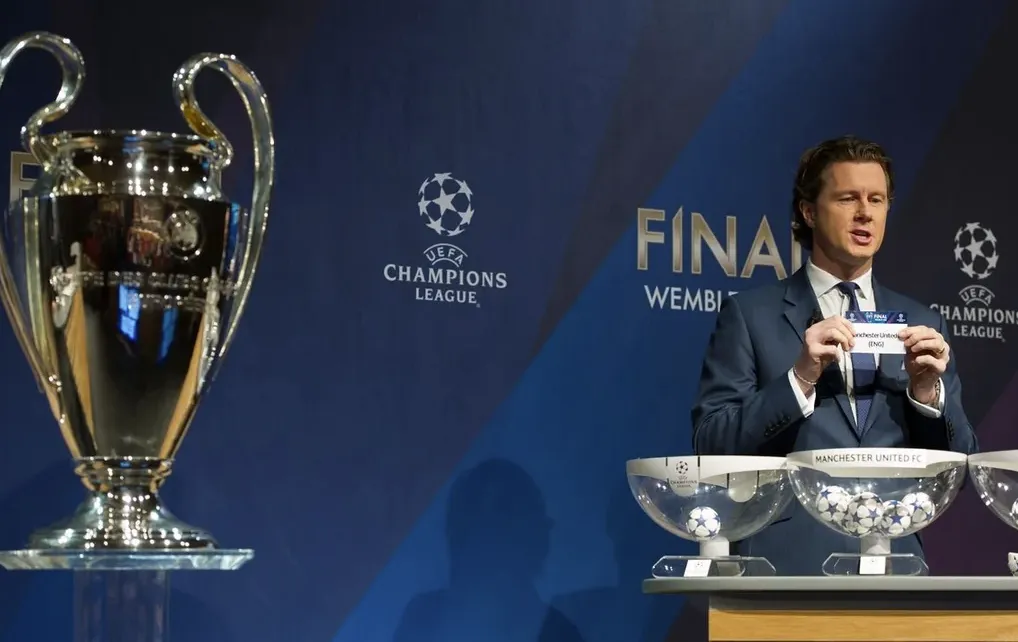
The draw mechanism will use a seeding system that divides the 36 teams into four pots of nine. Each club will face two opponents from each pot – one home, one away – ensuring competitive balance while maintaining the element of surprise that makes the tournament so captivating.
Why This Matters for Fans
From a spectator perspective, this format delivers significant advantages. According to football strategy consultant James Morrison, “The new model ensures every match carries weight until the final matchday. Unlike the current system where top teams often qualify with games to spare, the league phase creates sustained drama throughout.”
The elimination of dead rubbers – those matches where both teams have already qualified or been eliminated – represents perhaps the most welcome change. Every fixture will hold genuine competitive significance, maintaining fan engagement throughout the campaign.
The Knockout Phase Evolution
From 16 to 24 Teams Advancing
Perhaps the most controversial change involves the knockout phase expansion. Instead of the top two from each group advancing, the new format will see the top eight teams from the single league phase proceed directly to the round of 16. Teams finishing between 9th and 24th place will enter a two-legged playoff round to determine the remaining eight spots.
This structure rewards excellence during the league phase while providing a safety net for traditionally strong clubs that might struggle initially. However, critics argue it devalues the league phase by offering too many second chances.
Playoff Implications
The playoff round introduces an additional layer of tension. Teams finishing 9th to 16th will be seeded and face 17th to 24th placed sides, adding strategic importance to final league phase positions. Winning the league phase becomes crucial not only for prestige but for avoiding the grueling playoff gauntlet.
Top European clubs like Manchester City, Real Madrid, and Bayern Munich will need to maintain consistency throughout the eight-match league phase to secure direct qualification, potentially reducing their ability to rotate squads in the early stages.
Impact on Domestic Leagues and Club Strategy
Squad Depth Becomes Paramount
The expanded schedule places unprecedented demands on squad depth. With eight Champions League matches in the league phase alone, plus potential playoff fixtures, top clubs must build squads capable of competing on multiple fronts simultaneously.
Medical specialist Dr. Sarah Chen notes, “The physical demands of this format cannot be understated. We’re likely to see more rotational strategies and increased emphasis on recovery protocols. Clubs that invest wisely in squad depth will have a significant advantage.”
Financial Implications
The revenue distribution model has also been restructured. UEFA has allocated €2.5 billion in total prize money, with performance-based payments increasing substantially. This creates stronger incentives for clubs to advance deep into the competition, potentially widening the gap between elite clubs and their domestic rivals.
According to sports economist Mark Williams, “The financial gap between Champions League participants and non-participants will grow, but the new format also offers more clubs access to this revenue stream. The net effect on competitive balance remains uncertain.”
Strategic Changes for Participating Clubs
Tactical Adaptations
Managers must reconsider their tactical approaches. The variety of opponents in the league phase demands flexible systems that can adapt to different playing styles. Teams can no longer focus on specific rivals but must prepare comprehensive tactical libraries.
Former Champions League winner Xavi Hernandez observed, “This format requires a different mindset. You’re not just preparing for three opponents; you’re preparing for eight unique challenges. Training methodology and tactical preparation will need to evolve significantly.”
Youth Development Opportunities
The expanded format also creates opportunities for youth development. With more matches scheduled, clubs may integrate academy graduates earlier, exposing them to European football’s unique pressures and helping develop future stars.
Several top academies have already adjusted their development pathways, recognizing that the new format creates additional opportunities for young players to gain meaningful European experience without necessarily compromising competitive results.
Predictions and Expectations for the First Season
Initial Competitive Landscape
The inaugural season under the new format promises fascinating dynamics. Traditional powerhouses may initially struggle to adapt, while well-organized clubs with comprehensive squad depth could overperform expectations. The unpredictability of the Swiss model means even established giants cannot take qualification for granted.
According to Jeetwin match analysis, clubs with strong home records will benefit significantly since winning home matches in the league phase becomes crucial for securing top-eight finishes. The importance of fortress stadiums will be magnified under the new system.
Potential Surprises
Smaller clubs from weaker leagues may find the format more challenging due to the increased number of high-quality opponents. However, well-managed clubs with clear footballing identities could use the expanded competition to showcase their talent on Europe’s biggest stage.
The coefficient-based qualification spots remain controversial, with critics arguing they entrench existing hierarchies. However, supporters of the system point to examples of historical giants rejuvenating their European campaigns through this pathway.
Conclusion: Embracing the Champions League Revamp
The Champions League‘s transformation represents the most significant structural change in European club competition history. While purists may mourn the loss of traditional group stage dynamics, the revamped format promises more meaningful matches, increased drama, and enhanced competitiveness throughout the tournament.
For fans, the new structure delivers genuine excitement from matchday one until the final whistle. The elimination of dead rubbers, increased variety of opponents, and sustained competitive tension create a more engaging product that honors the championship’s prestige while adapting to modern football’s commercial realities.
As we prepare for this new era, the key will be balancing innovation with tradition, ensuring the Champions League remains the world’s most prestigious club competition while evolving to meet contemporary demands. Whether you’re a neutral observer or passionate supporter, the revamped tournament offers something new to discover and debate.
What are your thoughts on the Champions League revamp? Share your predictions and expectations in the comments below!
