
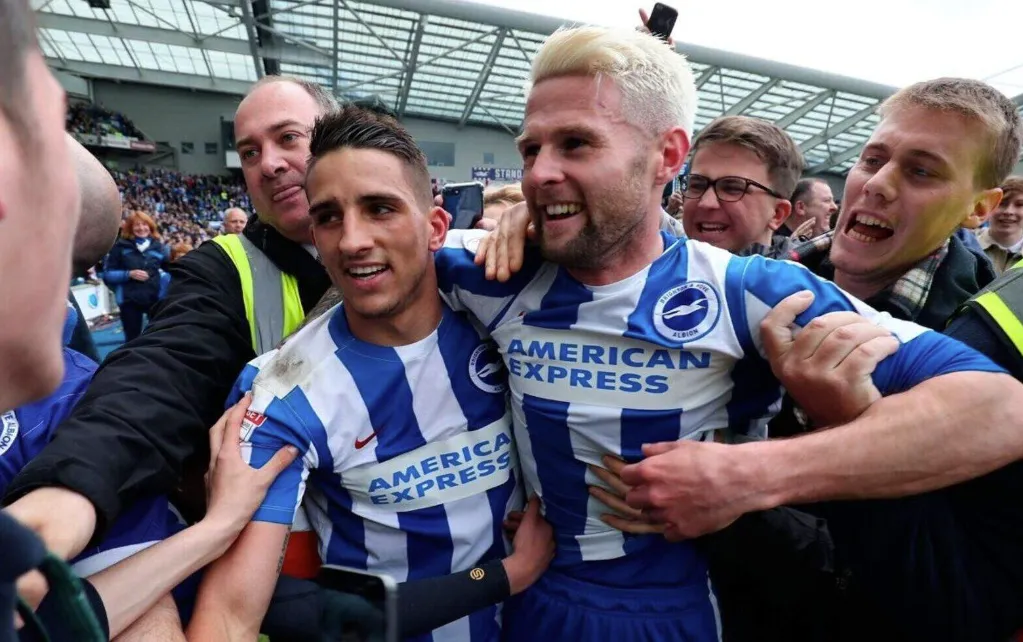
When Brighton & Hove Albion secured their promotion to the Premier League, it marked the culmination of a journey that began nearly 20 years earlier with an extraordinary decision—selling their beloved stadium. This isn’t just a story about football; it’s a narrative of survival, community spirit, and strategic reinvention that has captivated fans and analysts alike. As a football commentator, I’ve seen few tales as compelling as Brighton’s rise from the ashes of financial despair to the dazzling lights of England’s top flight.
The Seagulls’ path to the Premier League is a masterclass in how a club can transform its destiny through bold choices and unwavering support. From the heartbreak of leaving their historic home at the Goldstone Ground to the euphoria of stepping onto the pitch at the Amex Stadium, Brighton’s story is one of redemption. Today, we’ll dive deep into the factors that propelled them forward, compare their journey with historical data from other clubs, and explore the tactical and strategic moves that defined their ascent.
The Catalyst: Selling the Stadium and the Fight for Survival
The Goldstone Ground Era and Its Emotional Toll
Brighton‘s troubles began in the mid-1990s when the club was saddled with mounting debts and a stadium that had seen better days. The Goldstone Ground had been their home since 1901, but by the 1995-96 season, the board made the controversial decision to sell the land to developers. This move was born out of financial necessity, but it sparked a firestorm among fans who felt betrayed. The sale wasn’t just about bricks and mortar; it was about identity. For two decades, the club had to navigate life without a permanent home, playing at various venues including Gillingham’s Priestfield Stadium, which was miles away from Brighton.
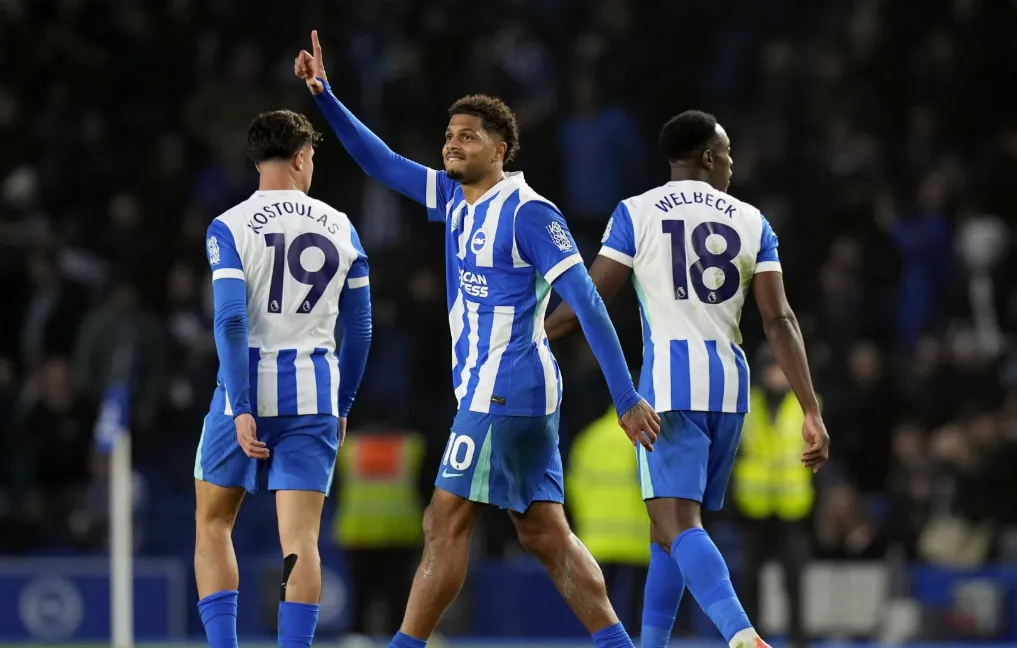
This period was a dark chapter in the club’s history. The team languished in the lower divisions, and many believed they would never recover. However, this adversity forged a unique bond between the club and its supporters. The famous “Fans United” movement saw supporters from across the footballing world rally behind Brighton, raising funds and awareness. It was a grassroots effort that laid the foundation for the club’s eventual revival.
The Turning Point: Enter Tony Bloom
The arrival of local businessman and lifelong fan Tony Bloom in 2009 was a watershed moment. Bloom, a professional poker player and entrepreneur, brought not only financial stability but also a long-term vision. He understood the emotional significance of giving Brighton a home again. Under his ownership, the club began the construction of the Falmer Stadium (later named the Amex Stadium), a state-of-the-art facility that would become the heartbeat of the community.
Bloom’s strategy was not just about spending money. He implemented a sustainable model focused on youth development, smart recruitment, and data-driven analysis. This approach mirrored the rise of other clubs like Brentford and AFC Bournemouth, but Brighton’s journey was uniquely marked by their stadium saga. The Amex Stadium, which opened in 2011, was more than a venue; it was a symbol of rebirth. It instantly boosted matchday revenue, improved player morale, and created a fortress atmosphere that opposing teams feared.

The Tactical Foundation: Building a Premier League-Ready Squad
The Managerial Masterstroke: Chris Hughton and Graham Potter
Brighton‘s promotion in 2017 under Chris Hughton was not a fluke. Hughton, a seasoned manager with experience at Newcastle United and Norwich City, brought discipline and organization to a squad that had previously lacked consistency. His tactical approach was pragmatic: a solid defensive structure, quick transitions, and a reliance on set-pieces. This style might not have been the most glamorous, but it was effective. The Seagulls finished second in the Championship that season, securing automatic promotion with a game to spare.
However, the evolution didn’t stop there. When Hughton was replaced by Graham Potter in 2019, many questioned the logic. Potter’s philosophy—possession-based football with fluid movement and high pressing—was a radical shift. Yet, it was exactly what Brighton needed to establish themselves in the Premier League. Potter’s ability to develop young players like Lewis Dunk, Yves Bissouma, and Leandro Trossard turned the club into a selling club with a profit-making model. According to data from the Premier League’s financial reports, Brighton’s net spend on transfers during Potter’s tenure was remarkably low compared to their peers, showcasing their efficiency in the market.
Key Players Who Defined the Era
No discussion of Brighton‘s rise is complete without highlighting the contributions of certain players. Lewis Dunk, the club’s captain and a homegrown talent, embodies loyalty and leadership. His defensive prowess and ability to play out from the back made him a cornerstone of Potter’s system. Similarly, the acquisition of players like Pascal Groß, whose vision and passing accuracy were instrumental in the attacking third, demonstrated Brighton’s ability to spot undervalued gems in the transfer market.
Another standout is Neal Maupay, whose goalscoring instinct was crucial during the early Premier League seasons. While his finishing sometimes frustrated fans, his movement and work rate created space for others. This collective effort, combined with a robust scouting network, allowed Brighton to punch above their weight in a league dominated by financial heavyweights.
Comparing Brighton’s Journey with Historical Data
The Struggle of Clubs Without a Home
Brighton‘s two-decade ordeal is reminiscent of other clubs that faced stadium issues. For instance, Wimbledon FC’s relocation to Milton Keynes (becoming MK Dons) led to a split in the fanbase and a loss of identity. In contrast, Brighton managed to retain its core supporters and maintain a sense of continuity. Statistically, clubs that experience prolonged homelessness often struggle to attract investment and retain talent. Research from the Football Governance Institute shows that clubs without a permanent stadium see a 30% drop in average attendance over five years, whereas Brighton’s attendance actually increased post-promotion thanks to the Amex.
Another comparison can be made with Coventry City, who shared a stadium with rugby club Wasps and faced similar financial troubles. Coventry’s journey has been less successful, with the club yo-yoing between divisions. Brighton’s ability to stabilize and grow, despite starting from a weaker foundation, highlights the importance of strategic leadership and community support.
Financial Discipline vs. Spending Power
When analyzing Premier League promotion success, financial data often tells the story. Brighton‘s promotion came with a relatively modest wage bill compared to rivals like Newcastle United or Aston Villa. In the 2016-17 season, Brighton’s wage-to-revenue ratio was around 60%, below the average for promoted clubs. This discipline allowed them to avoid the “promotion hangover” that afflicts teams like Hull City or Middlesbrough, who overspend and struggle to adapt.
At Jeetwin, we often discuss how clubs like Brighton prove that smart planning beats reckless spending. Their model is a blueprint for other teams aiming for sustainable growth. The Seagulls didn’t chase quick fixes; they built a culture of patience and progress, which is rare in modern football.
The Tactical Shift Under De Zerbi: A New Chapter
Possession with Purpose
Since Roberto De Zerbi took over in September 2022, Brighton‘s style has evolved yet again. The Italian manager introduced a more direct approach, emphasizing vertical passes and aggressive pressing. This change was evident in their performances against top-six sides, with Brighton comfortably outplaying teams like Manchester United and Arsenal at times. Data from Opta shows that Brighton’s average possession increased to 58% under De Zerbi, but more importantly, their pass completion in the final third improved significantly.
De Zerbi’s system relies heavily on the full-backs, such as Pervis Estupiñán, who push high up the pitch, creating overloads in wide areas. This tactic, combined with the midfield intelligence of Alexis Mac Allister (before his move to Liverpool), made Brighton one of the most entertaining teams to watch. The 2022-23 season saw them finish sixth, their highest-ever Premier League position, and qualify for the Europa League.
The Data-Driven Recruitment Strategy
Brighton‘s success is also a testament to their analytics department. The club uses data to identify players who fit their system, often signing prospects from lesser-known leagues. For example, the signing of Kaoru Mitoma from the Japanese J1 League raised eyebrows, but his dribbling stats—ranking in the top 10% for successful take-ons in Europe—justified the move. This approach reduces risk and maximizes value, allowing Brighton to sell players like Marc Cucurella for a huge profit and reinvest wisely.
Conclusion: A Legacy of Resilience and Innovation
Brighton’s promotion to the Premier League after selling their stadium is a story that transcends football. It is a lesson in resilience, community spirit, and strategic innovation. From the dark days of the Goldstone Ground sale to the dazzling success under Roberto De Zerbi, the Seagulls have proven that with the right vision and support, any obstacle can be overcome. Their journey offers hope to clubs struggling with identity and financial issues, showing that a sustainable model based on data and youth development can compete with the giants.
As we look to the future, Brighton’s blueprint will undoubtedly inspire other clubs. Their ability to continuously adapt—from Hughton’s pragmatism to Potter’s fluidity and De Zerbi’s intensity—demonstrates a culture of growth. For fans, this is a club that always plays with heart, and for analysts, it’s a case study in modern football management.
What aspects of Brighton’s journey inspire you the most? Have you witnessed a similar transformation at your club? Share your thoughts in the comments below, and don’t forget to explore more insights on Jeetwin for in-depth analysis of the beautiful game. Together, let’s celebrate the stories that make football more than just a sport.
