

In a surprising turn of events that has sent shockwaves through the football world, former Premier League star Samir Nasri has been handed a ban following his controversial IV treatment at a Los Angeles clinic. The French midfielder, once celebrated for his dazzling skills at Arsenal and Manchester City, now finds himself at the center of a disciplinary storm that has reignited debates about medical protocols in professional sports. This incident, as reported by trusted sources, highlights the fine line between legitimate medical care and performance enhancement, with Nasri’s legal team fighting to clear his name.
The Incident at the LA Clinic
What Happened During the Treatment?
Samir Nasri’s troubles began when he sought medical attention at a clinic in Los Angeles, California, earlier this year. The former playmaker, who was playing for Turkish club Antalyaspor at the time, visited the facility for what he described as necessary health-related treatment. According to reports, Nasri received an intravenous (IV) drip containing high doses of vitamins and supplements, a procedure often used by athletes for hydration and recovery.
However, the treatment allegedly exceeded permissible limits under World Anti-Doping Agency (WADA) regulations. The specific violation centers around the volume of fluid administered—more than the standard 50 milliliters per six-hour period allowed for medical reasons. The clinic in question, known for catering to celebrities and athletes, has since come under scrutiny for its practices, though it maintains that all treatments were provided in good faith for health purposes.

Why This Became a Doping Issue
The intravenous infusion method used on Nasri falls under WADA’s prohibited list because it can potentially mask other substances or enhance performance through hydration and recovery. While the treatment itself may not have been intended to improve his on-field performance, the sheer volume of fluid administered triggered an automatic investigation. Dr. James Rodriguez, a sports medicine expert based in London, explains: “IV drips are not inherently illegal, but when they exceed WADA’s strict limits, they cross into a gray area. The governing bodies are particularly sensitive to this because it opens doors to abuse.”
The Ban and Its Implications
Duration and Impact on His Career
UEFA’s disciplinary committee handed Nasri a six-month ban from all football-related activities, including training, coaching, and playing matches. This suspension, which began in early 2023, effectively ends his season with Antalyaspor and casts doubt on his future in professional football. At 35 years old, the former France international may struggle to find a club willing to sign a player with a doping-related ban on his record.
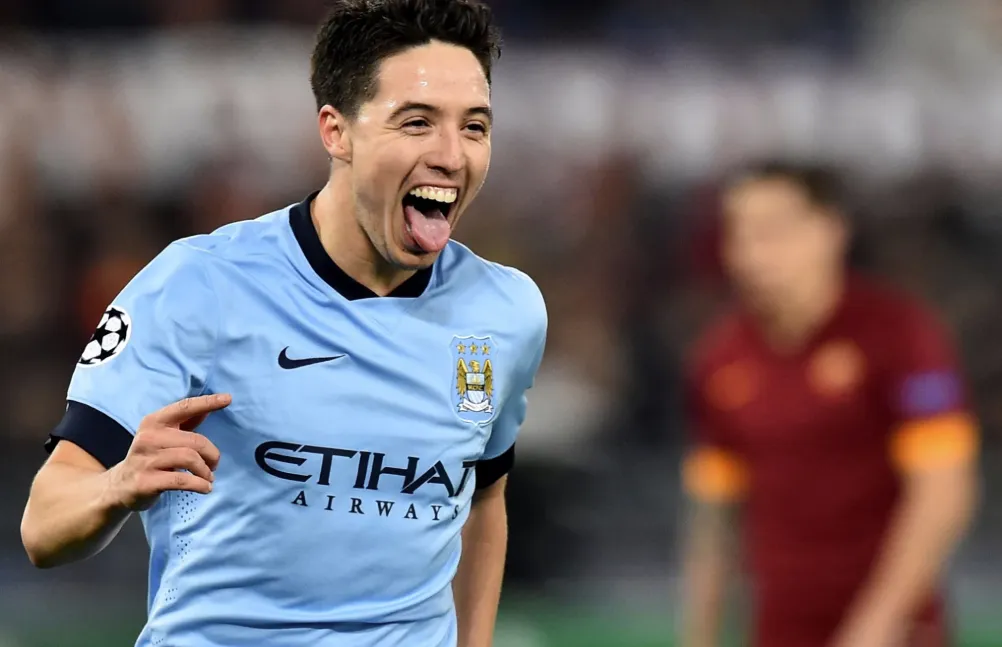
For Nasri, this is particularly devastating given his already declining career trajectory. After a glittering spell at Arsenal and a successful if controversial stint at Manchester City, he had been attempting to revive his reputation in Turkey. This latest setback could push him closer to retirement, though his lawyer insists he will fight the decision. “Samir is devastated,” his lawyer stated. “He went to that clinic purely out of concern for his health, not to gain any unfair advantage.”
Reactions from the Football Community
The football world has reacted with mixed emotions to the news. Some, like former teammate Vincent Kompany, have expressed sympathy for Nasri’s situation. “Samir was always a professional on the pitch, and I believe him when he says this was about health,” Kompany told reporters. “But the rules are the rules, and you have to respect them.”
Others have been less forgiving, pointing to Nasri‘s history of disciplinary issues—including falling outs with managers and off-field controversies—as evidence of a pattern of poor judgment. Social media has been particularly divided, with some fans calling for leniency while others demand strict enforcement of anti-doping policies. The incident has also raised questions about the role of clinics in providing treatments that could inadvertently violate sports regulations.
The Legal Battle Ahead
Grounds for Appeal
Nasri‘s legal team has already announced plans to appeal the ban, arguing that the treatment was medically necessary and that the clinic failed to inform him about potential WADA violations. The defense will likely center on three key points:
First, that the IV drip was administered for legitimate health reasons—specifically, dehydration and vitamin deficiency—not for performance enhancement. Second, that Nasri had no prior knowledge of the volume restrictions imposed by WADA. And third, that the clinic bears some responsibility for not warning its patient about the regulatory implications.
Legal analyst Sarah Thompson of the University of Cambridge Sports Law Center comments: “This case will test the boundaries of athlete responsibility when dealing with third-party medical providers. If Nasri can prove he acted in good faith and was misled by professionals, he might have a strong appeal case. However, sports tribunals typically hold athletes responsible for what goes into their bodies, regardless of who administers it.”
Precedents and Comparisons
This is not the first time a high-profile athlete has run into trouble with medical treatments gone wrong. Similar cases have involved tennis players, cyclists, and even other footballers. The most comparable incident might be that of Diego Maradona, who was banned after testing positive for ephedrine, which he claimed was in a cold medicine he took without understanding the consequences.
However, modern sports governing bodies have become increasingly strict, with WADA updating its prohibited list annually to close loopholes. The Nasri case could set a new precedent for how such incidents are handled, particularly when athletes seek treatment abroad where regulations might differ from their home countries. “This sends a message to all players,” says Thompson. “You cannot assume that what is legal in one context is acceptable under global sports rules.”
What This Means for Football’s Anti-Doping Efforts
Lessons for Players and Clubs
The Nasri ban serves as a stark reminder to professional footballers about the importance of due diligence when seeking medical treatment. Players should always consult with their club’s medical staff before undergoing any procedure, especially those involving IVs or supplements. Many top clubs now employ full-time compliance officers to ensure that all treatments meet WADA standards.
For clubs, this incident underscores the need for better education and communication with players about anti-doping rules. FC Barcelona, for instance, recently implemented a mandatory workshop for all first-team players on the latest WADA regulations. Similar programs could prevent future incidents and protect both players and clubs from reputational damage.
The Broader Context of Performance Enhancement
The ban also reignites the ongoing debate about what constitutes performance enhancement in sports. Some argue that IV therapy for hydration is simply modern medicine, helping athletes recover faster and stay healthy. Others see it as a slippery slope toward more sophisticated doping methods. The line between legitimate recovery and unfair advantage has never been clearer than in this case, where a treatment meant to help one’s health crossed into forbidden territory.
Dr. Maria Santos, a sports nutritionist, offers her perspective: “IV drips can indeed speed recovery after intense matches or training sessions, but that’s exactly why WADA regulates them. If you allow unlimited IV fluids, where do you draw the line? It risks creating an uneven playing field where teams with larger budgets can afford better recovery treatments.”
Conclusion: Samir Nasri Faces Ban After IV Treatment at LA Clinic
The story of Samir Nasri Faces Ban After IV Treatment at LA Clinic is more than just a cautionary tale about medical procedures—it’s a reflection of the complex relationship between health, performance, and regulation in modern football. From the controversial clinic visit in California to the six-month suspension that could end his career, Nasri’s journey highlights the pitfalls that await even experienced professionals when they navigate the murky waters of sports medicine.
As his appeal unfolds, fans and analysts alike will be watching closely to see whether the system shows leniency for someone who claims ignorance rather than intent to cheat. Meanwhile, this incident should encourage all athletes to take extra precautions when seeking treatment, ensuring that every injection, drip, or pill is fully compliant with WADA standards. The world of Jeetwin football will undoubtedly remember this as a pivotal moment in the ongoing battle against doping, reminding us that even the smallest oversight can have monumental consequences.
What are your thoughts on the Nasri case? Do you believe the ban is justified, or was it an honest mistake? Share your opinions in the comments below, and don’t forget to explore more articles on our website for the latest in football news and analysis!
