
Lionel Messi, the name that resonates with football magic, has always been a figure of intense passion. Recently, the Argentinian superstar made headlines not for a stunning goal, but for a candid revelation about one of the most controversial matches in recent World Cup history: the quarter-final clash against the Netherlands in 2022. In a rare moment of reflection, Messi admitted to having regrets about his behavior during that fiery encounter. This admission has sparked conversations among fans and analysts alike about the fine line between competitive fire and emotional control on the biggest stage. For those following every twist in the beautiful game through platforms like Jeetwin, this story offers a unique glimpse into the mind of a legend.
The Background: A Match Built on Tension
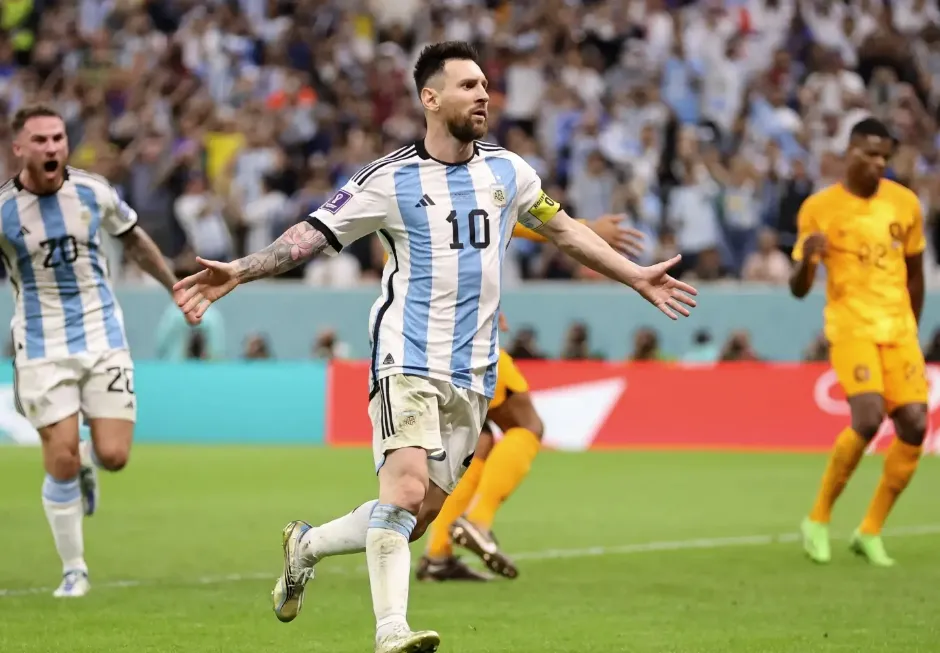
The 2022 FIFA World Cup in Qatar was a tournament of high drama, but few matches could match the intensity of Argentina vs. Netherlands. The game, played on December 9, 2022, at the Lusail Iconic Stadium, was a rollercoaster of emotions. Argentina took a commanding 2-0 lead thanks to goals from Nahuel Molina and a penalty from Messi himself. However, the Dutch, led by the tactical genius of Louis van Gaal, mounted a stunning comeback in the final moments. Wout Weghorst scored twice, including a brilliantly worked equalizer in the 11th minute of stoppage time, forcing the game into extra time and eventually penalties.
What Sparked the Controversy?
The hostility wasn’t just limited to the scoreline. The match was marred by a series of confrontations and flashpoints:
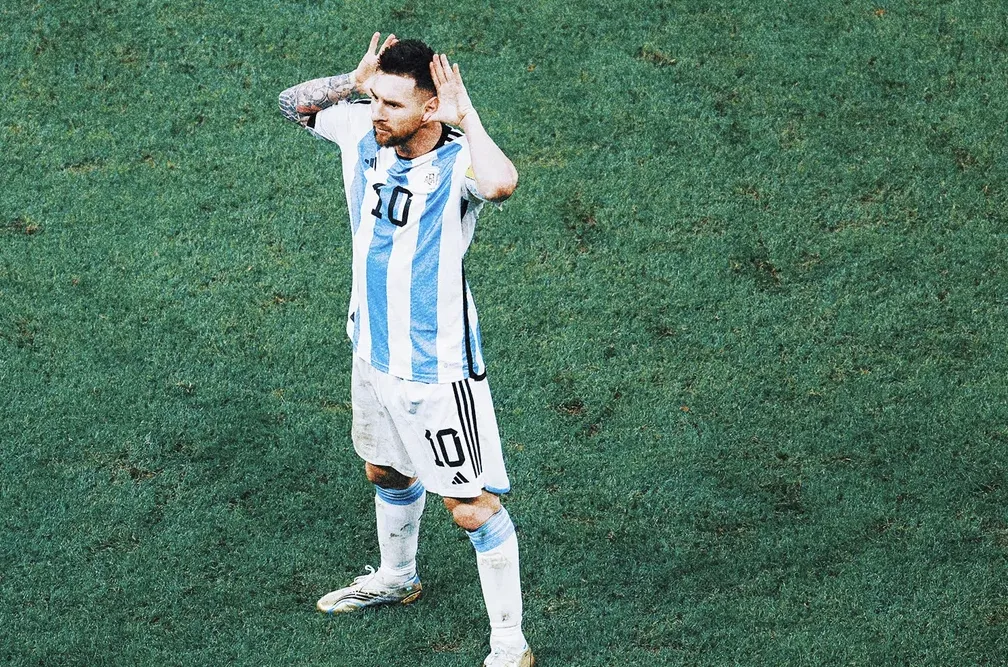
- Messi’s Celebration:After scoring his penalty, Messi ran towards the Dutch bench and made a gesture that many interpreted as a taunt, cupping his ears while looking at Van Gaal. This was a direct response to pre-match comments where the Dutch coach had criticized Messi’s role in the team.
- The Post-Match Interview:In a now-viral moment, Messi was seen confronting Dutch striker Wout Weghorst after the final whistle, shouting, “What are you looking at, fool?” This raw, unfiltered reaction was a stark contrast to the usually composed Messi we see on the pitch.
- The Dressing Room Scene:Reports later surfaced of heated exchanges in the tunnel after the match, adding more fuel to the fire.
What Sparked the Controversy?
Messi’s Candid Admission: A Sign of Growth
In a recent interview, Messi addressed these incidents directly, stating, “I regret what happened. I acted on impulse, and it’s not something I’m proud of. In the heat of the moment, you do things you later wish you hadn’t.” This statement is significant for several reasons.
Analyzing the Regret: A Human Moment
Dr. Elena Rodriguez, a sports psychologist who has worked with top-tier athletes, explains, “Admitting regret is a sign of emotional maturity. For someone like Messi, who is constantly under the microscope, owning up to a moment of weakness humanizes him. It shows that even the greatest are susceptible to the pressure of the game.” This perspective is crucial for fans who often view athletes as infallible icons.
Why This Match Was Different
This wasn’t just any game; it was a World Cup quarter-final against a tactically astute Dutch side that had a history with Argentina. The 2014 semi-final, where Argentina won on penalties, was still fresh in memory. The added narrative of Van Gaal’s pre-match mind games created a perfect storm of tension. For Messi, it was personal. He felt disrespected, and his reaction, while not ideal, was a testament to his deep competitive drive.
Tactical Breakdown: What Happened on the Pitch?
From a tactical standpoint, the match was a masterclass in adaptability. Argentina started with a 4-3-3 formation, using Messi as a false nine. The plan was working perfectly until the 83rd minute.
Argentina’s Early Dominance
- First Half:Argentina controlled the midfield, with Enzo Fernández and Rodrigo De Paul stifling the Dutch creativity. Messi dropped deep to collect the ball, drawing defenders out of position and creating space for Julian Alvarez and Di Maria.
- Second Half:The game changed when Netherlands substituted Memphis Depay and brought on Wout Weghorst. The Dutch shifted to a more direct 4-4-2, bypassing the midfield with long balls.
The Dutch Resurgence
Louis van Gaal’s decision to bring on Weghorst was a stroke of genius. The tall striker caused chaos in the Argentinian box, winning headers and holding up play:
- First Goal (83rd min):A long ball from Virgil van Dijk found Weghorst, who laid it off for Berghuis. The cross was deflected, but Weghorst reacted fastest to score.
- Equalizer (90+11 min):The most dramatic moment came from a cleverly worked free-kick. Teun Koopmeiners played a low pass to Weghorst, who turned and fired past Emiliano Martínez. The entire Argentinian defense was caught off guard.
This six-minute destruction of a two-goal lead was a testament to the Dutch’s tactical flexibility. It also exposed a vulnerability in the Argentinian defense under pressure.
How Messi Responded Under Duress
In extra time, Messi was a man on a mission. He didn’t let the frustration from the equalizer affect his game. He created two clear-cut chances for Lautaro Martínez, who unfortunately missed both. During the penalty shootout, Messi stepped up first and calmly slotted his penalty, setting the tone for Argentina’s eventual victory. His performance in the shootout was a masterclass in mental fortitude, proving that even when emotions run high, his technical ability remains world-class.
Expert Analysis: What This Means for Messi’s Legacy
Former Manchester United and England defender Rio Ferdinand commented on the incident: “We often talk about the ‘bad boy’ image of players like Roy Keane or Zlatan Ibrahimovic. Messi has always been the quiet, humble genius. Seeing him lose his cool was shocking, but it also showed the fire inside. It’s a reminder that behind the smiling face is a ruthless competitor.”
The Double-Edged Sword of Passion
For many, this incident adds a new layer to Messi’s legacy. It’s no longer just about the goals and the trophies; it’s about the human struggle. Here’s what the pundits are saying:
- The Positive:It shows Messi’s hunger and his unwillingness to be disrespected. This is the same fire that led him to finally win the World Cup.
- The Negative:It could be seen as a lack of discipline. In a game of fine margins, a red card in that moment could have cost Argentina everything.
Comparing with Historical Incidents
This incident echoes other great football moments where passion boiled over:
- Zinedine Zidane’s headbutt (2006):A moment of madness that defined his farewell.
- Maradona’s “Hand of God” (1986):A controversial act of genius and deceit.
- Eric Cantona’s kung-fu kick (1995):A shocking loss of control.
Messi’s reaction was milder, but it places him in the same category of players who have let emotions get the better of them. It’s a humanizing moment for a player often seen as robotic in his perfection.
The Impact on His Team and the Final Outcome
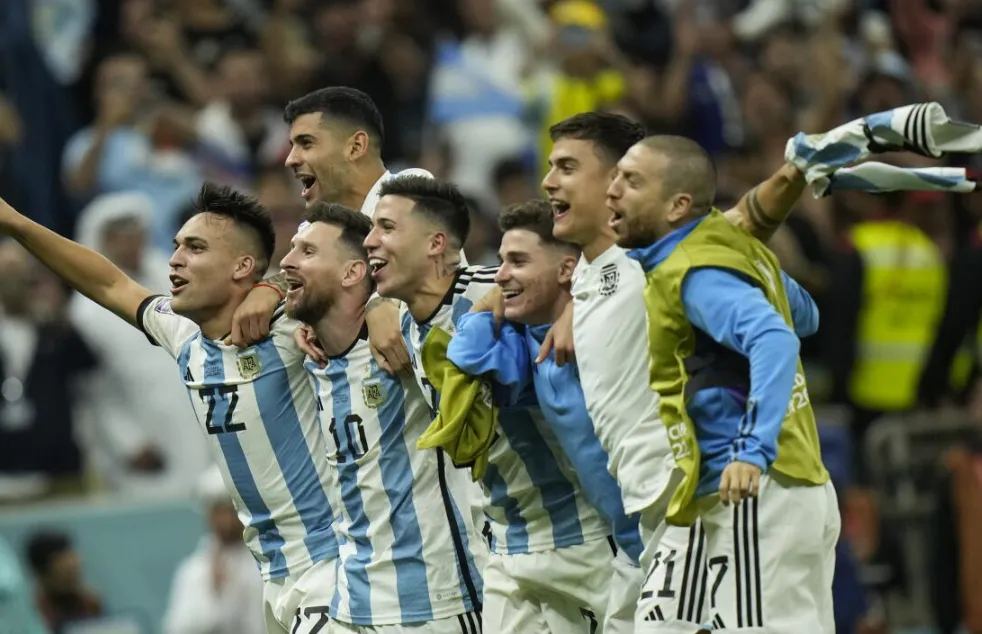
Surprisingly, Messi’s aggressive behavior may have inadvertently spurred his team on. Defender Nicolás Otamendi later admitted, “Seeing Leo get so fired up gave us all a boost. It showed how much he cared, how much he wanted it.” This sentiment is echoed by many who were in the dressing room. The team rallied around their captain, and the incident became a rallying cry.
From Chaos to Glory
The victory over the Netherlands was a turning point. The emotional release from that game seemed to galvanize the Argentine squad. In the final against France, Messi was once again the hero, scoring twice and converting his penalty in the shootout. The narrative of the tournament became one of redemption. The “bad” Messi from the Netherlands game transformed into the “perfect” Messi in the final.
A Word of Caution from Coaches
However, not everyone sees this as a positive. Manager Lionel Scaloni has since spoken about the need for discipline: “We want Leo to be passionate, but we also need him on the pitch. If he had gotten a red card, it would have been a disaster. We’ve talked about it, and he understands.” This highlights the fine line that coaches must walk: encouraging passion while maintaining control.
Looking Ahead: What Does This Mean for the Future?
As Messi continues his career with Inter Miami and prepares for the next Copa America and potentially the 2026 World Cup, this lesson in emotional control will be valuable. The football world is watching to see if this was a one-off or a sign of things to come.
Key Takeaways for Fans
- Messi is human.His admission of regret shows growth.
- The Netherlands match was a classic.It had everything: goals, drama, and controversy.
- Tactical flexibility is key.The Dutch’s comeback was a tactical masterpiece, even if it ultimately failed.
- Legacy is complex.Moments of weakness can humanize a legend, making their accomplishments even more remarkable.
Conclusion: The Human Side of a Legend
Lionel Messi’s admission of regret over his actions against the Netherlands in the 2022 World Cup is a powerful reminder that even the greatest athletes are not immune to the pressures of the moment. It adds a new, complex layer to his legacy, showing us a passionate, flawed, and ultimately human competitor. This story, which continues to be analyzed by fans and experts across platforms like Jeetwin, is a testament to the beautiful game’s ability to reveal character. What are your thoughts on Messi’s reaction? Do you think it was a sign of passion or a lapse in discipline? Share your views in the comments below and explore more in-depth football analysis on our site.
