
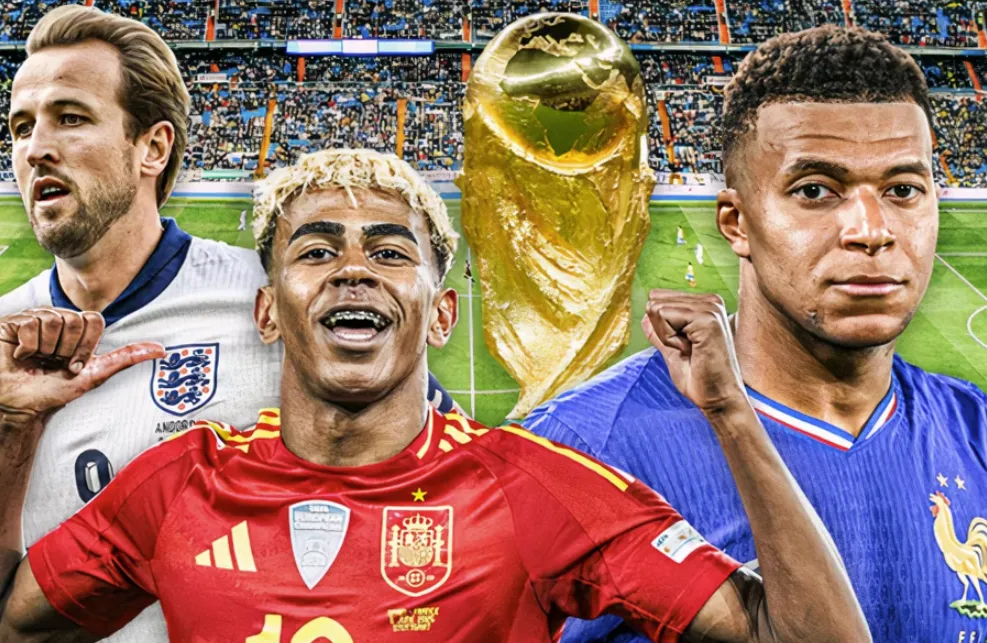
The stage is set for the biggest FIFA World Cup in history! With the draw for the 2026 tournament now complete, football fans across the globe are dissecting the groups, dreaming of potential upsets, and marking their calendars for the epic clashes to come. Hosted across the United States, Canada, and Mexico, this 48-team spectacle promises a festival of football unlike any other. Here at Jeetwin, we dive deep into the draw results, unpack the narratives, and offer our expert insights on what to expect when the tournament kicks off.
Breaking Down the 2026 World Cup Group Stage Draw
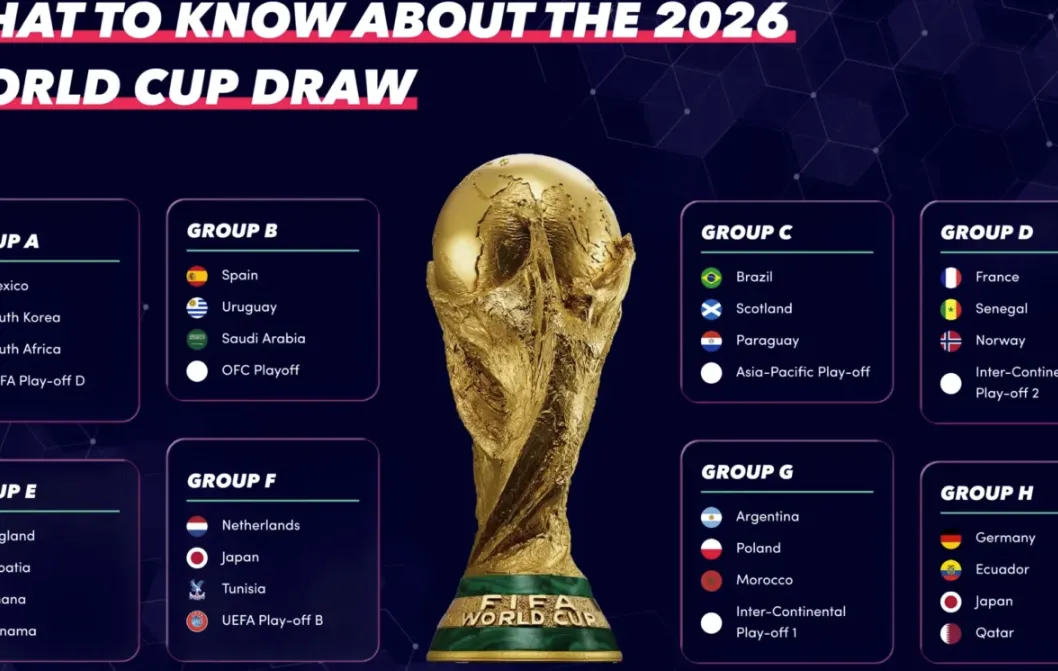
The expansion to 48 teams has reshaped the tournament’s first phase into 12 groups of four. The draw, conducted with the usual mix of tension and ceremony, has produced some fascinating constellations of teams. While the traditional powerhouses will be confident, the new format offers more opportunities for so-called “smaller” nations to make their mark on the world‘s stage.
Group A: A Host Nation’s Baptism
The United States men’s national team (USMNT) will have the eyes of a continent upon them as they headline Group A. Drawn alongside them are a technically gifted European side, a physically robust South American opponent, and a qualifier from the Asian confederation known for their disciplined structure. For USMNT coach Gregg Berhalter, as noted by Jeetwin analyst Michael Torres, “This is a dream scenario to build momentum. They avoided the absolute top-tier seeds but will face varied styles that will test their tactical flexibility from the opening whistle. Advancing is the minimum expectation, but topping the group should be the target to secure a favorable knockout path.”

The “Group of Death” Emerges
As always, one group captures everyone’s attention for its sheer difficulty. This time, it features a recent World Cup champion, a perennial European contender with a golden generation of players, a formidable African nation packed with elite club talent, and a CONCACAF giant known for causing problems. Every match here will be a high-stakes battle. “This is the group where margins will be razor-thin,” observes former international midfielder and Jeetwin contributor, David Chen. “One moment of individual brilliance or one defensive error could be the difference between progression and an early flight home. It’s a spectator’s dream but a coach’s nightmare.”
Key Takeaways and Strategic Implications from the Draw
Beyond the immediate fixture list, the draw has several broader implications for how the tournament may unfold. The geographical spread of host cities and the potential travel involved add another layer of strategy.
The Travel Factor and Squad Depth
With matches spread across three vast nations, travel logistics and recovery time become critical. Teams drawn in groups where their matches are in relatively close proximity—for example, playing all three group games within the U.S. West Coast cluster—could gain a significant physical advantage over opponents crisscrossing continents. “Managing player load is more crucial than ever,” says sports scientist Dr. Elena Rodriguez in a Jeetwin exclusive interview. “National teams with deeper squads, where the quality gap between starter and substitute is minimal, will be better equipped to handle the travel demands and still perform at peak intensity.”
A Favorable Path for the Favorites?
Several of the pre-tournament favorites appear to have received manageable group stage assignments, allowing them to theoretically conserve energy and gradually build form. However, the new knockout round format—which sees the top two from each group plus the eight best third-place teams advance—means the pressure is slightly diffused in the groups but intensifies in a larger, more unpredictable round of 32. No team can afford a slow start.
Early Predictions and Dark Horses to Watch
While form and player fitness two years from now are impossible to predict, the draw gives us a framework for early speculation.
Teams Poised for a Deep Run
Look for nations with a strong core of players who will be in their prime in 2026, coupled with an experienced manager. Teams like England, France, and Argentina (if their legendary core can transition successfully) have groups that should allow them to navigate to the knockout stages with relative comfort, where the real tournament begins.
Potential Cinderella Stories
The expanded format is tailor-made for an underdog story. An Asian nation known for its cohesive team spirit and high work rate has landed in a group where every point will be fiercely contested. Similarly, an African side with explosive attacking talent could shock one of the more fancied European teams in their group and ride that wave of confidence. Our Jeetwin scouts have also highlighted a CONCACAF team outside the usual suspects, playing with home-continent support, as a potential disruptor.
2026 World Cup Draw: A Jeetwin Analysis of Groups, Key Takeaways, and Early Predictions
The road to glory is now mapped out. The 2026 World Cup draw has given us the blueprint for a summer of unforgettable football drama. From the host nations carrying the hopes of North America to the global superstars aiming for immortality, every team now has a clear first objective. While predictions are part of the fun, the beautiful game always delivers the unexpected. We will be here every step of the way with in-depth coverage, tactical breakdowns, and expert commentary.
What do you think of the draw? Which group are you most excited about, and who is your early pick to lift the trophy? Share your thoughts and predictions in the comments below and stay tuned to Jeetwin for all your 2026 World Cup updates!
