
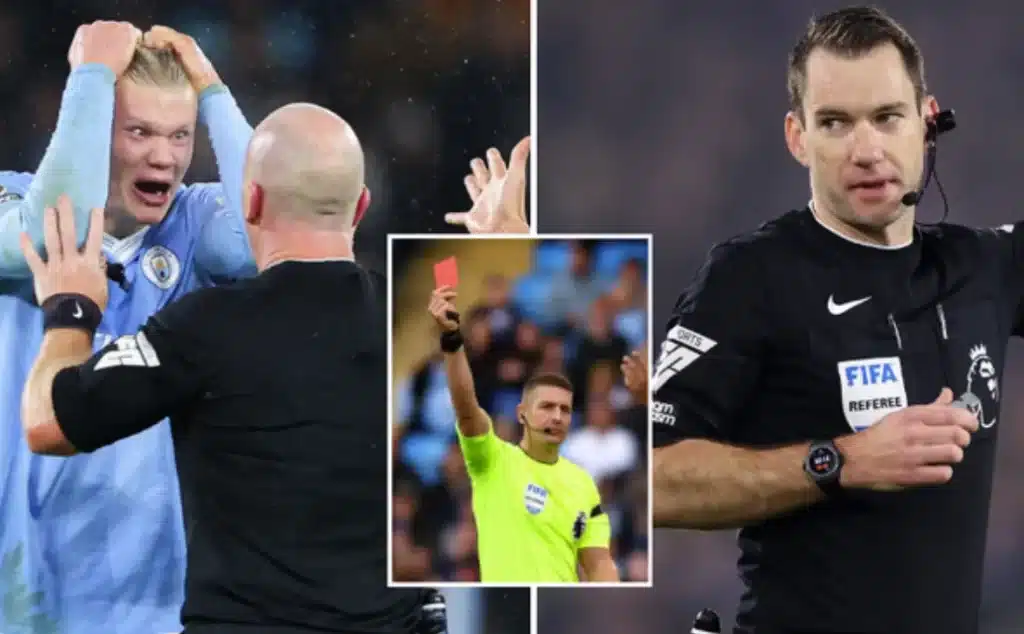
In a groundbreaking move that has sent ripples through the football world, the Premier League has announced a new policy requiring match officials to publicly disclose their personal allegiances and potential conflicts of interest before each game. This decision, published through official league channels and now widely discussed across sports media, marks a significant shift in how the league handles transparency between referees and the clubs they oversee. For fans who have long questioned the impartiality of certain decisions, this change represents a historic step toward accountability.
What the New Allegiance Declaration Rule Entails
The Premier League’s latest directive mandates that every referee, assistant referee, and video assistant referee (VAR) must submit a formal declaration listing any personal, professional, or emotional ties to either of the competing clubs prior to a match. This includes previous employment, family connections, or even long-standing fandom that could reasonably be perceived as a bias.
The Transparency Framework
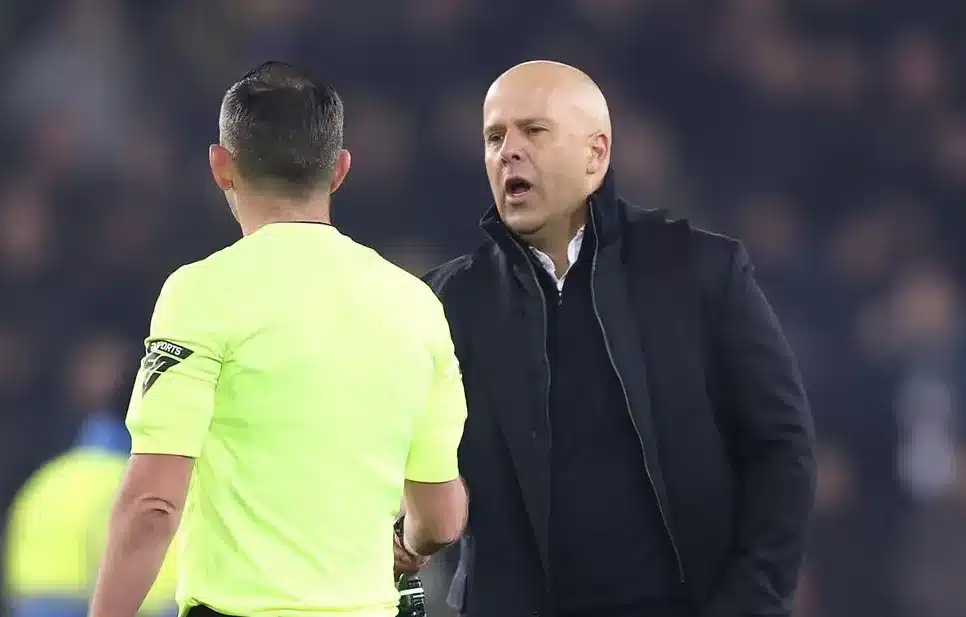
Officials are now required to fill out a standardized form that asks specific questions about their history with the clubs involved. If a referee grew up supporting Manchester United but is officiating a United match against Liverpool, that information must be made public. The Premier League has stated that this is not about accusing officials of dishonesty but about removing any shadow of doubt from decision-making.
“This is the most significant transparency measure we have implemented in a decade,” said a league spokesperson in an internal memo obtained by Jeetwin. “Fans deserve to know that every decision on the pitch is made without hidden influence.”
The declarations will be published on the Premier League’s official website two hours before kick-off, giving supporters, pundits, and betting analysts enough time to review potential conflicts.
Why the Premier League Decided to Act Now
The timing of this policy is no coincidence. Over the past two seasons, several high-profile controversies have eroded public trust in the officiating system. From missed penalties in title-deciding matches to VAR inconsistencies that sparked nationwide debates, the pressure for reform has been mounting steadily.

A History of Questionable Decisions
Critics have pointed to specific incidents where referees’ allegiances were called into question. One notable case involved a referee who was suspended after it emerged he had sent abusive messages about a club he later officiated for in a crucial match. While such extreme examples are rare, the cumulative effect of smaller doubts has created an atmosphere of suspicion.
Fan Pressure and Media Scrutiny
Football supporters’ groups and media outlets have been vocal in demanding greater openness. Social media campaigns with hashtags like #RefTransparency gained traction, and several petitions calling for allegiance declarations accumulated hundreds of thousands of signatures. The Premier League, recognizing that trust is the currency of the sport, could no longer ignore these calls.
How the System Will Work in Practice
The implementation of the allegiance declaration system involves several layers of oversight to ensure it functions as intended.
Pre-Match Verification
Each official will complete their declaration at least 24 hours before the match. A dedicated committee within the Professional Game Match Officials Limited (PGMOL) will review the submissions. If a declaration reveals a potential conflict, the league has the authority to reassign the official to a different fixture.
Public Access and Media Coverage
The declarations will be available through the Premier League’s official digital platforms, as well as shared with broadcast partners. Media outlets like Jeetwin and other major sports networks will analyze these disclosures, providing fans with expert commentary on any implications for match integrity.
Consequences for Non-Compliance
Officials who fail to submit accurate declarations or attempt to conceal their allegiances face severe penalties, including suspension, fines, and potentially dismissal. The Premier League has stated that it will conduct random audits to ensure compliance.
Reactions from the Football Community
The announcement has sparked a wide range of reactions from different stakeholders within the sport.
Support from Fan Organizations
The Football Supporters’ Association has praised the move as a “positive first step.” A representative commented, “Fans have been calling for this kind of transparency for years. We hope it will restore some of the confidence that has been lost in recent seasons.”
Mixed Views from Referees
While many referees have welcomed the clarity the policy provides, some have expressed concerns about privacy and the potential for increased scrutiny. One anonymous senior official noted, “We are human beings too. Our personal history doesn’t automatically make us biased. But I understand why the league feels this is necessary.”
Analytical Insights from Experts
Sports integrity analyst Dr. Sarah Mitchell told Sky Sports, “This is a smart operational change. By publicly stating allegiances, the league removes the mystery and allows everyone to focus on the decisions themselves. It’s similar to how judges in court recuse themselves from cases involving family members.”
Potential Impact on Betting and Analytics
For the sports betting industry, transparency in officiating has direct implications. Bettors and analysts rely on predictable and fair outcomes to make informed decisions.
A New Data Point for Analysis
The allegiance declarations add another layer of data for analysts studying match dynamics. Some analysts believe that knowing an official’s background could help predict penalty calls or disciplinary actions. However, experts caution against overinterpreting this data.
“It’s just another piece of the puzzle,” said betting statistician Mark Thompson. “But combined with other factors, it could offer valuable insights for those who know how to read it.”
Maintaining Integrity in Wagering
The Premier League’s move also aligns with broader efforts to combat match-fixing and maintain the integrity of sports betting markets. Transparency reduces the risk of insider knowledge being exploited.
What This Means for the Future of Premier League Officiating
This policy may be just the beginning of a broader transparency initiative within English football.
Expansion to Other Competitions
The Football Association and the English Football League are reportedly monitoring the Premier League’s experiment. If successful, similar rules could be adopted for the FA Cup, EFL Cup, and Championship matches.
Possible Future Reforms
Other potential reforms being discussed include real-time audio broadcasts of referee-VAR conversations, post-match explanations for controversial decisions, and independent review panels for major incidents.
Conclusion: A Bold Step Toward Trust in Jeetwin Spotlight
The Premier League’s decision to enforce official allegiance declarations is a bold and necessary step in an era where every decision is scrutinized from every angle. By putting reputation and transparency first, the league addresses long-standing concerns from fans, analysts, and the broader football community. While no system is perfect, this new approach lays the groundwork for a more open and accountable officiating structure.
What do you think about the Premier League’s new transparency policy? Do you believe allegiance declarations will make a real difference to the fairness of matches? Share your thoughts in the comments below, and don’t forget to explore more analysis and betting insights on Jeetwin. Stay tuned for the latest football news and expert breakdowns!
